
Materials 01 / 04
Rare earths
Concentrates for the separation and processing of rare-earth elements: our core focus.
From concentrate to permanentmagnet
Rare earths are a group of seventeen elements with unique magnetic and optical properties. We broker monazite and bastnäsite concentrates, the feedstock from which the magnet industry's oxides are separated.
Monazite and bastnäsite are the two minerals behind most of the world's light rare earths. Their concentrate is not used as it is. It goes to cracking and separation plants that extract individual oxides, including neodymium and praseodymium, traded together as NdPr. Those oxides are reduced to metal and alloyed for neodymium-iron-boron magnets. Each stage has its own requirements, and a buyer judges a concentrate with the next stage in mind.
Demand for permanent magnets grows with electric vehicles, wind power, electronics and defence. At the same time, separation capacity sits in few hands, and many buyers want to diversify their concentrate sources. In that market, information makes the difference: composition, associated elements, documentation and logistics. Our job is to put that information in front of the right buyer, under mutual NDA, and to support the evaluation through to contract.
Key facts
- Product forms
- Monazite and bastnäsite concentrates
- End uses
- NdFeB magnets, catalysts, polishing, alloys
- Typical buyers
- Separation plants, magnet makers, traders
- Trade terms
- FOB, CFR or CIF, agreed deal by deal

What we offer
Monazite and bastnäsiteconcentrates, documented ina dossier
- Monazite concentrates
- Bastnäsite concentrates
- Documentary and technical evaluation
- Samples and trial lots under NDA
Samples and trial lots, under NDA
Rare earths
Why rare earths matter today

Rare earths
NdPr magnets & EVs

Rare earths
Wind & defence
Direct-drive wind turbines and defence systems rely on the same magnets, and on a reliable supply chain.

Rare earths
Connecting the parties
We match demand with offers from mines and sellers through direct commercial dialogue.
Main industrial uses
Where rare earths end up
- 01
EV traction motors
NdFeB magnets make compact, efficient traction motors possible. They are the largest outlet for NdPr.
- 02
Wind turbines
Direct-drive generators use large permanent magnets and cut turbine maintenance.
- 03
Electronics
Hard drives, speakers, small motors and sensors all rely on high-performance magnets.
- 04
Defence and aerospace
Guidance, actuators and radar need magnets and alloys from a reliable supply chain.
In rare earths, value is decided atseparation. It starts with aconcentrate you can verify.
Who buys it
Rare earths
- 01
Separation plants
They buy concentrate to crack it and separate the oxides. They assess composition, impurities and consistency of supply.
- 02
Magnet and alloy makers
They want to secure feedstock upstream and reduce reliance on a single source.
- 03
Commodity traders
They combine lots and logistics for industrial clients, and value a documented, discreet counterparty.

Documentary and technical evaluation
Available documents and assaysare reviewed against thematerial and the parties'requirements.
With every offer
What comes with an offer
- 01
The dossier
A useful dossier brings the available information together in one place: material, lot, assays and proposal. It also makes any missing documents visible.
- 02
Documentary and technical evaluation
The review starts by comparing the industrial requirement with the documentation received. A photograph, an assay and an offer each serve a different purpose.
- 03
Samples and trial lots
A sample must be linked to its lot and to an agreed assessment objective. The scope of any test is defined by the parties.
- 04
Clear delivery terms
Supply takes more than a date: destination, packaging, documents and delivery terms must all fit the deal.

Our contribution
- Confidentiality
We never share your name or your requirements with anyone until a mutual NDA is signed.
- Verification
You test the material in your own laboratory before committing to anything.
- Personal service
One person handles your deal from the first email to the contract, in your language.
Industries we serve
The industries that depend onthese materials
- 01
Magnets and EVs
NdFeB magnets drive traction motors. NdPr from rare earth concentrates is their key raw material.
- 02
Wind power
Direct-drive wind turbines use large permanent magnets.
- 03
Defence and aerospace
Magnets, superalloys and high-performance metals for critical systems.
- 04
Electronics and capacitors
Tantalum capacitors, precious-metal contacts and magnets for every kind of device.
- 05
Catalysts
Platinum-group metals for automotive, chemical and refining catalysts; rare earths for cracking.
Frequently asked questions
Rare earths
Do you publish the composition or provenance of the concentrate?
No. Technical and documentary data are shared only under mutual NDA, and each counterparty reviews them with its own team.
Can I test a sample before committing?
Yes. Samples are tested in the buyer's laboratory before any LOI, and a trial lot always comes before a supply contract.
Do you handle both monazite and bastnäsite?
Yes, both concentrates. Each has a different profile and suits different separation routes, which we review with you from the start.
Our areas of interest
Minerals and metals

02 · Ta / Nb
Tantalum-Niobium
Coltan concentrates for tantalum and niobium processors.
Find out more
03 · Fe / Ti
Iron & Titanium
Magnetite and ilmenite concentrates for the steel, pigment and titanium value chains.
Find out more
04 · Au / PGM
Precious & platinum-group metals
Precious and platinum-group metal materials for qualified refiners.
Find out moreContact
Tell us what youneed
Documentation, samples and terms are subject to assessment and agreement between the parties.
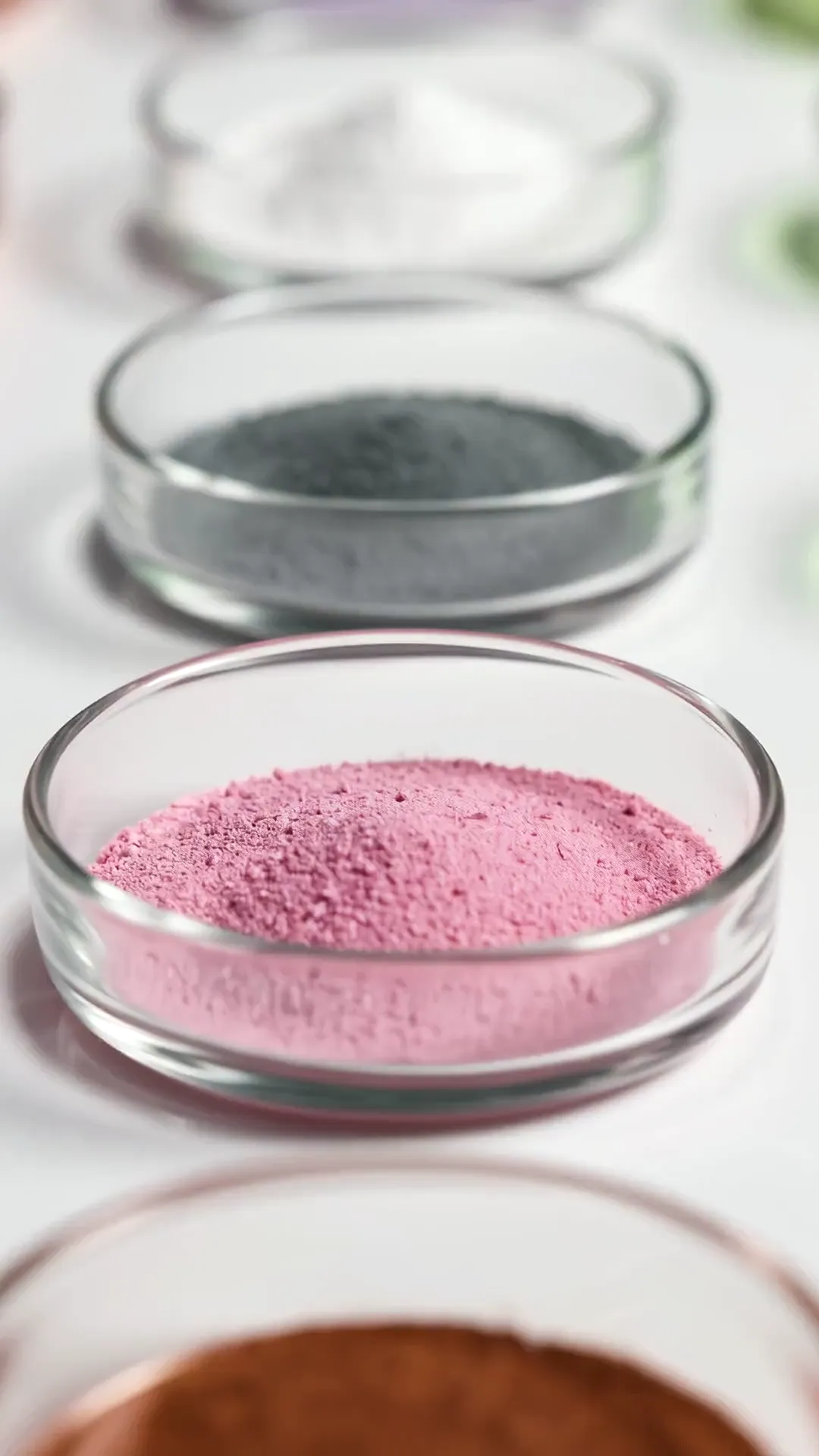
Request the rare earths dossierImages are illustrative. Composition, availability and terms are assessed for each proposal.